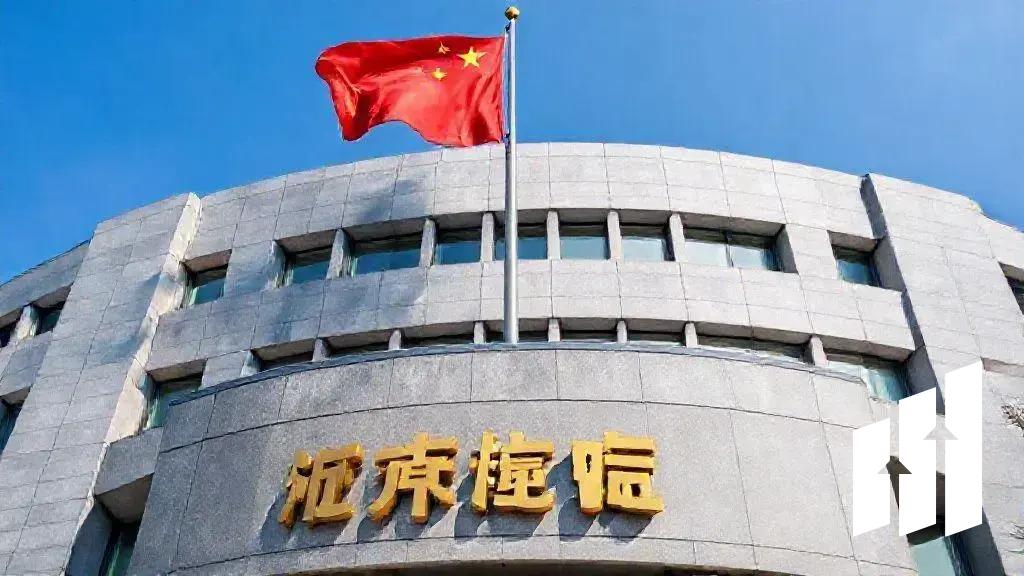


The increase in China’s crude oil imports from Indonesia signifies a strategic shift aimed at enhancing energy security while coping with international sanctions. This development not only benefits China’s growing energy demands but also provides economic boosts to Indonesia through heightened export revenues. Additionally, it creates potential avenues for Iranian oil to enter China, thereby transforming the global oil trade landscape.
The recent protests in Nepal show how Gen Z is taking a stand against government corruption and high unemployment. Many young people are frustrated with the job market and feel their futures are at stake. This wave of protests reflects their desire for change and accountability.
Why Gen Z is Speaking Up
Gen Z cares deeply about issues like justice and transparency. They grew up with social media, which helps them stay connected and informed. When they see problems, they are quick to act. Their online presence spreads awareness and rallies support.
Challenging the Status Quo
Young protesters are demanding better job opportunities and an end to corruption. They want leaders who listen and take their concerns seriously. By voicing their opinions, Gen Z is challenging traditional norms and pushing for a better future.
Impact of the Movement
Their activism is sparking conversations all over the country. More people are joining the protests, showing that young voices matter. This movement may inspire other generations to join the fight for change.
Looking Ahead
As the protests continue, Gen Z remains determined to make their voices heard. They want a Nepal that works for everyone, not just a select few. With their energy and passion, they are likely to leave a lasting impact.
Conclusion
In conclusion, the rise in China’s crude oil imports from Indonesia showcases a key shift in global trade practices. This trend not only allows China to secure vital energy supplies but also helps boost Indonesia’s economy through increased exports. Additionally, it creates new possibilities for Iranian oil to enter the Chinese market, highlighting the interconnected nature of international trade.
As these developments progress, it will be interesting to see how they shape relationships between these countries and impact the global oil landscape. The ability to adapt and find new trading partners is crucial for any country looking to thrive in a changing economic environment.
FAQ – Frequently Asked Questions about China’s Crude Oil Imports
Why has China increased crude oil imports from Indonesia?
China has ramped up imports from Indonesia to secure more energy resources and reduce dependency on other suppliers.
What benefits come from increased oil exports for Indonesia?
Increased oil exports can boost Indonesia’s economy by generating higher revenue, which can be used for public services and development.
How might Iranian oil impact China’s imports from Indonesia?
The new trade route could allow Iranian oil to enter the Chinese market through Indonesia, providing alternatives amid international sanctions.
What implications does this trend have for global trade?
This trend could reshape global trade dynamics and influence oil prices as countries adjust to new supply routes and partners.
How can this situation affect the relationship between China and Indonesia?
Strengthening trade ties through increased oil imports can enhance diplomatic relations and foster closer economic collaboration between the two nations.
What role does international policy play in these trade shifts?
International policies and sanctions heavily influence trade decisions, pushing countries to seek new, reliable partners for energy resources.