


How to teach kids about money involves introducing basic money concepts, encouraging saving and spending habits, using games and activities for practical learning, teaching the value of work and earning, and discussing money decisions to build responsible financial skills early.
How to teach kids about money? It’s a question many parents wonder about, especially since money shapes a lot of our everyday choices. Imagine your child understanding saving or making smart spending decisions early on. It’s not always simple, but small steps can make a big difference.
Understanding the basics of money for children
Teaching children the basics of money starts with explaining what money is and why it’s important. Simple concepts like coins and bills, their colors, and values can help kids recognize different denominations. You can use real money or play money to make it more tangible.
Important terms to introduce include earning, savings, spending, and sharing. Helping kids understand that money is a tool used to buy goods and services makes it relevant to their daily life.
Using visual aids like charts or jars labeled for saving, spending, and sharing can clarify these ideas. For example, a jar for savings helps kids see their money grow, which encourages patience and goal-setting.
Starting early with small amounts and simple decisions builds confidence. For instance, you might give a child a few coins and let them choose a small toy to purchase, teaching decision-making and the cost of items.
Basic math skills such as addition and subtraction tie in naturally when learning about money. Counting coins together and making change can become fun challenges that improve overall numeracy.
Using games and activities to teach money concepts
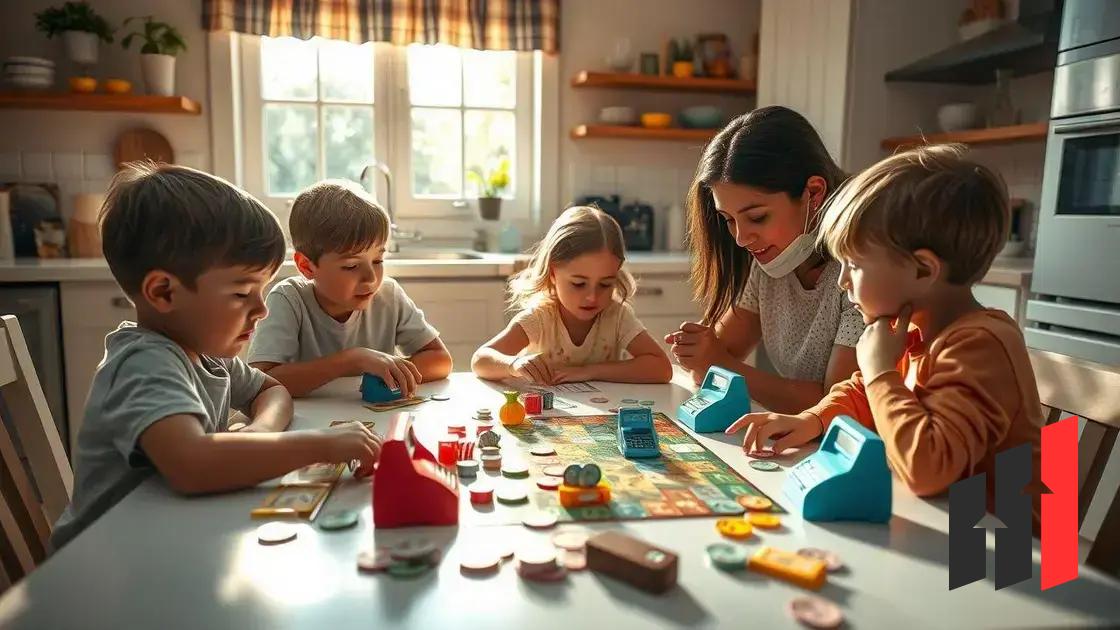
Using games and activities is a fun way to teach kids about money concepts. Interactive learning helps children understand abstract ideas by making them hands-on and relatable. Board games like “Monopoly” or “The Game of Life” introduce concepts of buying, selling, and budgeting in an engaging way.
Simple activities such as setting up a pretend store at home allow children to practice using money, make change, and learn about pricing. You can use play money or real coins to simulate transactions, which improves counting skills and decision-making.
Role-playing activities encourage kids to act as customers or shopkeepers, teaching the value of earning and spending. Another creative approach is to use reward charts where kids earn points or tokens that they can exchange for privileges or small treats, reinforcing the connection between effort and reward.
Digital apps and educational online games geared towards money management also offer interactive experiences suitable for various ages, making learning accessible and entertaining.
These methods not only build financial skills but also foster confidence and positive attitudes toward money. Keeping the activities age-appropriate and fun helps children stay interested and absorb important lessons naturally.
Introducing saving and spending habits
Introducing saving and spending habits early helps children develop a healthy relationship with money. Start by teaching the importance of saving a portion of any money they receive, whether as allowance, gifts, or earnings. You can provide a clear system, such as separate jars or piggy banks labeled “Save,” “Spend,” and “Share,” to make these ideas concrete.
Encourage kids to set simple goals, like saving for a toy or a special treat, which builds patience and motivation. Discuss the difference between needs and wants to guide thoughtful spending decisions.
Budgeting can be introduced by helping children plan how much money to allocate to different purposes. For example, they may decide how much to save for later, how much to spend now, and how much to donate or share.
Regularly reviewing their savings progress and spending choices encourages reflection and learning. You can reinforce positive behavior by celebrating when goals are met or good decisions are made.
Discussing the consequences of spending money impulsively or not saving enough helps children understand real-life financial impacts, which strengthens their sense of responsibility.
Teaching the value of work and earning

Teaching kids the value of work and earning helps them understand that money is usually earned through effort. Simple chores at home, like cleaning their room or helping with dishes, can be tied to small rewards or allowance to illustrate this concept.
Discussing work ethic and responsibility helps children value the effort behind earning money. Explain how adults trade their time and skills for income, which supports needs and wants.
You can encourage children to take on age-appropriate tasks to earn money, reinforcing that rewards come from doing work well. This not only builds a sense of accomplishment but also develops discipline and accountability.
Teaching through example is powerful. Letting kids see you budget your earnings or save for important expenses shows the real-life connection between work and financial management.
Besides chores, you can help kids set small goals for earning money, like organizing a lemonade stand or selling crafts. These activities provide practical lessons in entrepreneurship, effort, and reward.
Discussing money decisions and consequences
Helping children understand money decisions and their consequences is key to building financial responsibility. Teach kids that every choice to spend or save has an impact, whether short-term or long-term. For example, spending all their money on candy means they might not have enough for a bigger toy later.
Introduce the concept of opportunity cost, explaining that choosing one thing often means giving up another. This helps children think about priorities and weigh their options carefully.
Use scenarios or stories where kids face money choices, encouraging them to predict outcomes and reflect on the results. Asking questions like, “What would happen if you spent all your allowance now?” stimulates critical thinking.
Encourage kids to keep track of what they spend and save, either with a simple notebook or digital app. This practice reinforces awareness and can lead to better decision-making over time.
Discussing consequences openly helps children learn from mistakes without fear. If they make an impulsive buy and regret it, use that moment to talk about planning and patience for future decisions.
Making money lessons stick
Teaching kids about money step by step helps them build smart habits for life. Starting with basics and adding real activities makes learning fun and meaningful.
When children understand earning, saving, and spending, they gain skills that will guide their decisions as adults. Patience, planning, and responsibility grow naturally through these lessons.
Parents play a key role by being good examples and keeping conversations open about money choices and consequences. This helps kids feel confident and prepared.
Remember, small efforts now can lead to big benefits later, giving your children the tools to manage their finances wisely in the future.
FAQ – Frequently asked questions about teaching kids about money
At what age should I start teaching my child about money?
You can start teaching basic money concepts as early as 3 to 5 years old, using simple activities and examples.
How can I make learning about money fun for my kids?
Use games, role-playing, and interactive activities like setting up a pretend store to make money lessons engaging.
What is the best way to teach saving habits to children?
Encourage using separate jars or piggy banks labeled for saving, spending, and sharing to help kids visualize money management.
How do I explain the value of work to my child?
Assign age-appropriate chores or tasks with small rewards to show that money is earned through effort and responsibility.
How can I help my child make better money decisions?
Discuss money choices and their consequences openly, and help children understand opportunity costs through real-life examples.
Is it important for parents to set a good example?
Yes, children learn a lot by watching their parents. Showing budgeting, saving, and responsible spending helps reinforce lessons about money.