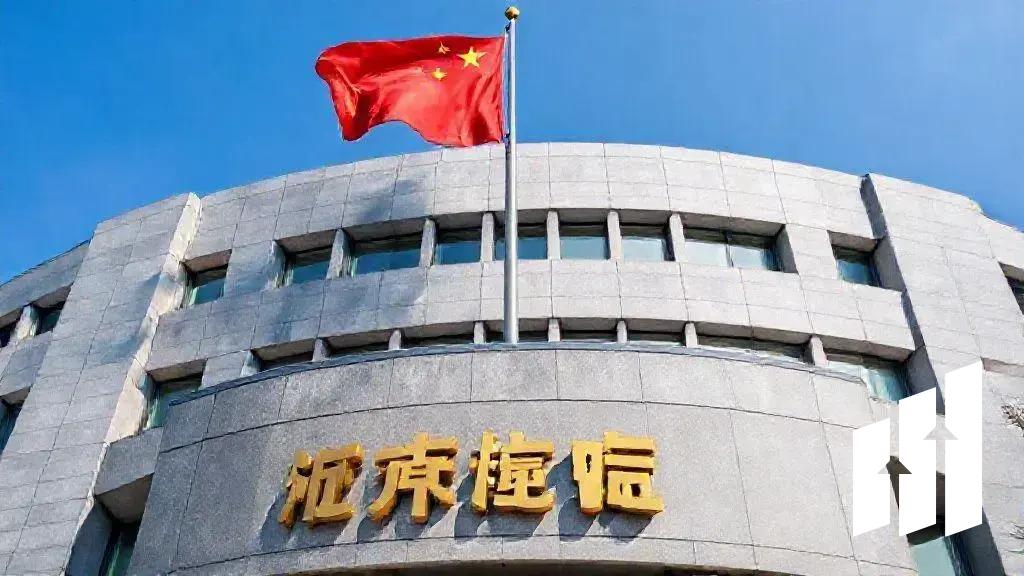

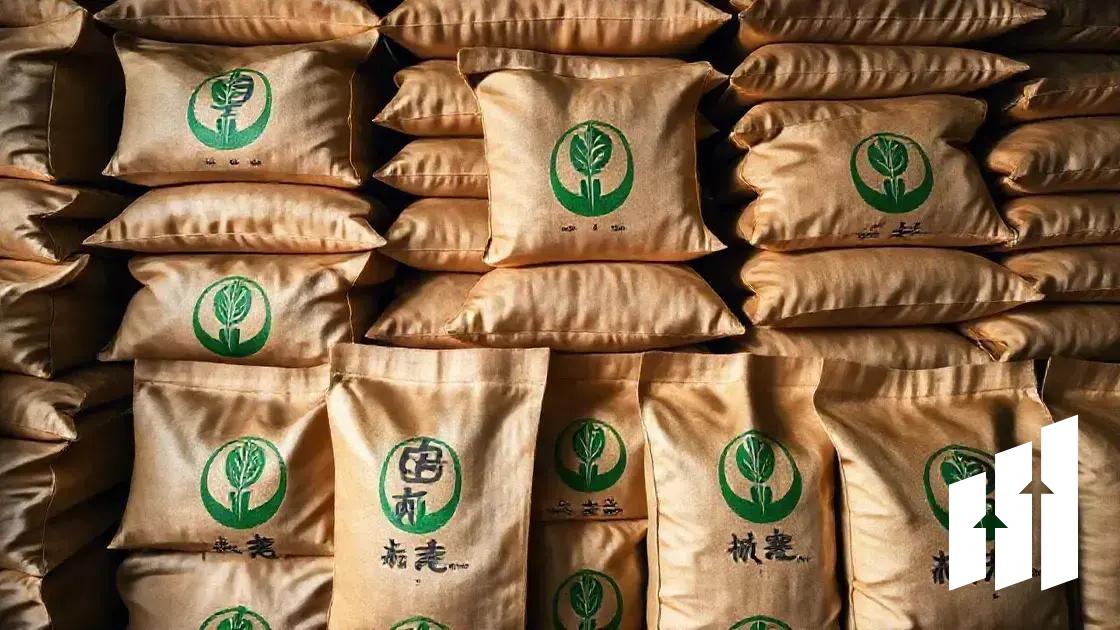
Japan’s trade negotiations are significantly impacted by rice policies, which aim to protect local farmers while addressing international trade demands. The strict limits on rice imports reflect the cultural importance of rice in Japan. Recent negotiations have highlighted tensions between maintaining these protections and opening markets to foreign competition, making it a complex issue affecting both local agriculture and economic relations.
Japan’s trade negotiations, especially around rice, are crucial. Rice is not just a food staple but also part of the culture. Japan’s approach to rice imports is often cautious. They aim to protect local farmers by controlling how much rice comes in from abroad.
Importance of Rice in Japanese Culture
Rice plays a central role in Japanese meals. It’s served with almost every dish. This makes rice more than just a crop; it’s part of the national identity. Because of this, the government places high importance on rice policies.
Current Trade Policy
Japan has strict limits on rice imports. They want to keep their rice prices stable. Local farmers need to compete with foreign rice producers, which can be tough. By controlling the market, Japan hopes to balance these interests.
Recent Developments
Recent negotiations have faced challenges. Trade partners want Japan to open its rice market. This creates tension as farmers fear losing their livelihoods. Thus, negotiations can be complex and sensitive.
Future Implications
The outcome of these negotiations could change everything. If Japan opens up its rice market, it could impact both local farmers and foreign suppliers. It’s a delicate balance that the government needs to manage carefully.
Conclusion
In summary, Japan’s trade negotiations regarding rice are vital for both local farmers and the economy. These discussions shape policies that protect cultural values while addressing trade demands. It’s a complex issue that requires careful handling.
Moving forward, the balance between local interests and international relations will be key. The decisions made today can have long-lasting effects on food security and cultural identity in Japan. Understanding this dynamic is essential as Japan navigates its future in global trade.
FAQ – Frequently Asked Questions about Japan’s Trade Negotiations and Rice Policy
Why is rice important in Japan’s trade negotiations?
Rice is more than just food in Japan; it’s a cultural staple. The government wants to protect local farmers and maintain rice prices.
What are Japan’s current policies on rice imports?
Japan has strict limits on rice imports to support local farmers and keep market prices stable.
How do trade negotiations affect local farmers?
Trade negotiations can create tensions, as farmers fear losing their livelihoods if the market opens up too much to foreign rice.
What recent challenges have arisen in Japan’s trade negotiations?
Negotiations have faced pressures from trade partners wanting Japan to open its rice market, which conflicts with local farmers’ interests.
What might happen if Japan opens its rice market?
Opening the market could lead to cheaper rice imports but might threaten local agriculture and alter the cultural significance of rice.
How can the public influence Japan’s rice policy?
Public opinion can shape government decisions. Awareness and advocacy for local agriculture can impact future trade negotiations.