
Kenya’s food prices and inflation are significantly influenced by rainfall. Adequate rain helps farmers produce more crops, leading to lower food prices and enhanced economic stability. Conversely, excessive rain can result in flooding, damaging crops and causing prices to rise. Understanding these dynamics is crucial for both consumers and farmers, as it affects food security and overall inflation rates in the country.
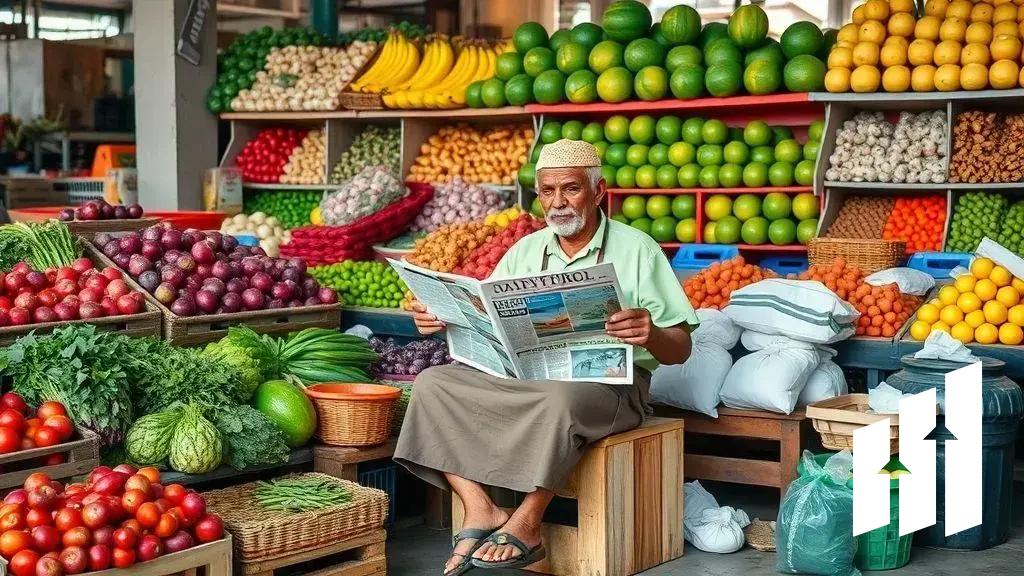
The impact of rain on food prices and inflation in Kenya is significant. Rainfall is vital for farming, especially for crops like maize and beans. When it rains well, farmers harvest more food. This leads to lower prices in markets.
Good rains can help boost the economy. More food means people spend less on groceries. When families can save money, they have more to spend on other things. This is great for local businesses.
Food Security
Food security is an essential issue. When prices fall, more people can afford to buy food. This helps families that struggle to feed their kids. Healthy food is key for strong communities.
However, not all rains are beneficial. Too much rain can cause floods, which can ruin crops. Farmers may face losses, causing prices to rise. This shows how important it is to have just the right amount of rain.
Inflation Rates
The inflation rate reflects how prices change over time. If food prices rise, overall inflation also increases. This affects every Kenyan. High inflation can mean less money in people’s pockets.
In Kenya, monitoring weather patterns can help predict inflation changes. If rain forecasts are good, prices may drop. If forecasts are bad, prices might rise. Understanding these links can help families plan for the future.
In conclusion, the relationship between rain, food prices, and inflation is complex but crucial. Both farmers and consumers feel the effects, making it vital for communities to stay informed.
Conclusion
In conclusion, the effects of rain on food prices and inflation in Kenya are very important. When farmers get enough rain, they can grow more food, leading to lower prices for everyone. This helps families save money and strengthens the local economy.
On the other hand, too much rain can damage crops and cause prices to rise. It’s clear that understanding these weather patterns is key for both farmers and consumers. By staying informed, communities can better prepare for changes in food prices and inflation. Overall, keeping an eye on the rain helps ensure food security and keeps everyday costs manageable for all Kenyans.
FAQ – Frequently Asked Questions about Rain’s Impact on Food Prices and Inflation in Kenya
How does rain affect food prices in Kenya?
Rain is crucial for farming. When it rains well, farmers can grow more food, which often leads to lower food prices.
What happens if there is too much rain?
Excessive rain can cause floods, damaging crops and leading to higher food prices due to reduced supply.
Why is food security important for families?
Food security ensures that families can afford and access enough nutritious food, which is vital for health and well-being.
How does inflation affect Kenyan consumers?
Inflation affects the cost of living. When food prices rise, families may struggle to afford basic necessities, impacting their daily lives.
What role do farmers play in the economy?
Farmers are essential to the economy as they provide food, create jobs, and help drive local markets through their production.
Can weather forecasts help with planning?
Yes, accurate weather forecasts can help farmers and consumers prepare for changes in food prices, allowing better financial planning.