

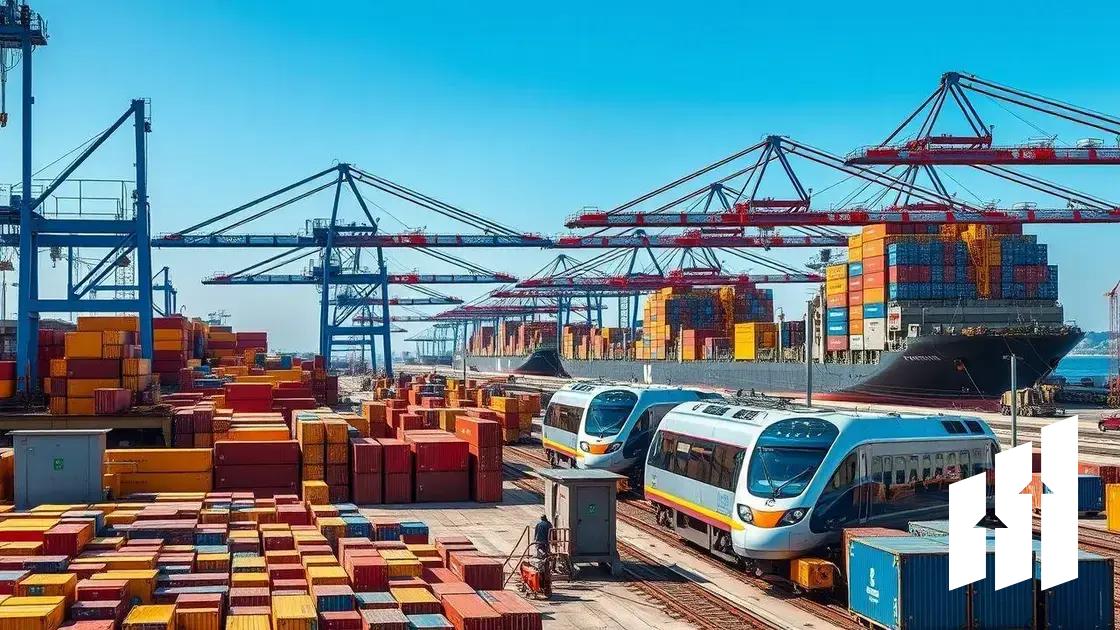
Mexico’s new tariffs on Chinese imports, set to take effect in 2026, will significantly impact products like automobiles, electronics, and textiles. These tariffs aim to strengthen local industries by increasing prices on foreign goods, prompting a potential shift in consumer buying habits towards domestic products. The U.S. and China are closely monitoring these changes, as they can affect trade relations and market dynamics. Overall, while the tariffs may protect local businesses, they could lead to higher prices for consumers.
The Mexican government is set to implement higher tariffs on imports from China in 2026, specifically targeting sectors like cars and textiles. This move reflects a push for better protection of local industries while aligning with U.S. trade policies.
Overview of Mexico’s tariff plans for 2026
The Mexican government is planning to increase tariffs on imports from China starting in 2026. This decision is part of a broader strategy to boost local industries and reduce dependence on foreign goods. The new tariffs aim to protect sectors such as automotive and textiles.
Why Tariffs? Mexico wants to make its local products more competitive. By raising tariffs, they hope to encourage consumers to buy items made in Mexico rather than imported ones.
These changes will impact various industries. Businesses may face higher costs for importing materials and products. This could lead to changes in pricing for consumers as companies adjust to the new rules.
Moreover, the tariffs fit into a larger context of trade relations between Mexico, the U.S., and China. The U.S. has been urging Mexico to strengthen its local market. These tariffs align with those expectations and show Mexico’s commitment to protecting its economy.
The overall goal is to create a more balanced trade environment. A focus on local production could result in job creation, boosting the Mexican economy over time.
Impact on Mexican businesses and economy
The new tariffs will have a noticeable impact on Mexican businesses. Many companies rely on imported goods for production. With higher tariffs, their expenses may rise.
This could lead to increased prices for consumers. If businesses pass on the costs, shoppers might pay more for everyday items. Some companies may need to rethink their supply chains.
Small Businesses: Smaller firms might struggle the most. They often have tighter budgets and less flexibility. This could make it hard for them to stay competitive.
However, local producers could benefit. The tariffs give them a chance to sell more products. More shoppers might choose locally made items over imports.
The overall economy may also feel the effects. Job creation in local industries could rise as demand for domestic products increases. This shift may stimulate economic growth in the long run.
Still, the changes create uncertainty. Companies need to adapt quickly to the new rules. Those that cannot keep up might face tough challenges ahead.
Response from the U.S. and China
The proposed tariffs from Mexico have drawn attention from both the U.S. and China. Each country has its own interests and concerns regarding this decision.
U.S. Response: The United States has often encouraged Mexico to prioritize local production. This aligns with the U.S. goals of strengthening North American trade. They may see these tariffs as a step in the right direction. However, they are also concerned about how this will affect trade dynamics.
U.S. officials might worry that higher tariffs could hurt American companies operating in Mexico. If costs rise, businesses may have to adjust their strategies, which could impact jobs on both sides of the border.
China’s Reaction: China is likely to view these tariffs as a challenge. They may fear losing market access in Mexico. Chinese companies often rely on exports to countries like Mexico. Increased tariffs could hurt their competitiveness.
China may respond by seeking other markets or adjusting their pricing strategies. They could also escalate trade tensions if they feel threatened by these changes.
In this situation, both countries are watching closely. The impact of Mexico’s tariffs could ripple through international trade networks. All three countries need to navigate these changes carefully to maintain good relations.
Details on products affected by new tariffs
The new tariffs in Mexico will target various products, affecting both consumers and businesses. Some key categories include cars, electronics, and textiles.
Automobiles: Vehicles imported from China may see a significant tariff increase. This could raise prices on new cars, impacting buyers’ decisions.
Electronics: Gadgets and other electronic devices are also on the list. More expensive imports mean higher costs for consumers. Popular items might include smartphones, laptops, and household appliances.
Textiles and Apparel: Clothing and fabric products will face tariffs as well. This change may prompt shoppers to look for local alternatives over imported goods. Local fashion brands might gain popularity as prices shift.
These tariffs aim to protect Mexican industries. However, they may create challenges for consumers. As prices rise, many will need to adjust their purchasing habits. Finding cost-effective options could become more difficult.
In the long run, these changes may also encourage local production. More manufacturers might emerge to fill the gap. Overall, the effect on prices and availability will be closely watched as 2026 approaches.
Conclusion
In conclusion, Mexico’s new tariffs on imports will likely have a big impact on various aspects of trade. Tariffs on products like automobiles, electronics, and textiles aim to boost local industries. While this can help domestic producers, it may also raise prices for consumers.
The responses from the U.S. and China highlight the complexities of international trade. Both countries are closely watching Mexico’s next steps. Overall, as 2026 approaches, the effects of these tariffs will be significant for businesses and shoppers alike.
As the situation develops, it’s important to stay informed. Understanding how these tariffs affect daily life will help consumers and businesses make better choices. By focusing on local products, we may see new opportunities arise in the Mexican market.
FAQ – Frequently Asked Questions about Mexico’s New Tariffs
What products will be affected by the new tariffs?
The new tariffs will primarily affect automobiles, electronics, and textiles imported from China.
How will these tariffs impact prices for consumers?
Consumers may see higher prices for imported products, as businesses might pass the increased costs onto shoppers.
What is the purpose of these tariffs?
The tariffs aim to protect local industries in Mexico and encourage consumers to buy domestic products.
How might businesses respond to the tariffs?
Businesses may adjust their supply chains, seek local alternatives, or increase prices for consumers.
What reactions can we expect from the U.S. and China?
The U.S. may support the tariffs for local protection, while China may see them as a challenge to their exports.
Will the new tariffs change consumer buying habits?
Yes, consumers may start looking for more locally produced goods as imported items become pricier.