


Understanding cryptocurrency for beginners means learning that it is digital money secured by blockchain technology, requiring safe buying practices, secure storage in wallets, awareness of risks and scams, and smart investing strategies to navigate its volatile market.
Ever wondered what all the buzz around Understanding Cryptocurrency for Beginners is about? This guide breaks down the basics in a way anyone can grasp, no tech skill required. Ready to peek behind the digital curtain?
what is cryptocurrency and how does it work
Cryptocurrency is a form of digital or virtual money that uses cryptography for security. Unlike traditional currencies, cryptocurrencies operate on a technology called blockchain, which is a decentralized ledger that records all transactions across a network of computers. This decentralization means no single authority, like a bank or government, controls the currency.
How Cryptocurrency Works
Each cryptocurrency transaction is verified by network participants called miners. They solve complex mathematical problems to add transaction records to the blockchain. This process ensures transparency and security, preventing fraud or double-spending. Popular cryptocurrencies like Bitcoin and Ethereum use this method.
Key Features
One unique feature of cryptocurrency is that it allows peer-to-peer transactions, removing the need for intermediaries. Transactions are usually fast and can cross borders easily. Also, cryptocurrencies offer a degree of anonymity since users transact through cryptographic addresses, not personal information.
Why It Matters
Understanding the basics of how cryptocurrency works helps you grasp why it’s gaining popularity as an alternative form of money and investment. It introduces new financial possibilities and challenges the traditional banking system.
key terms and concepts every beginner should know
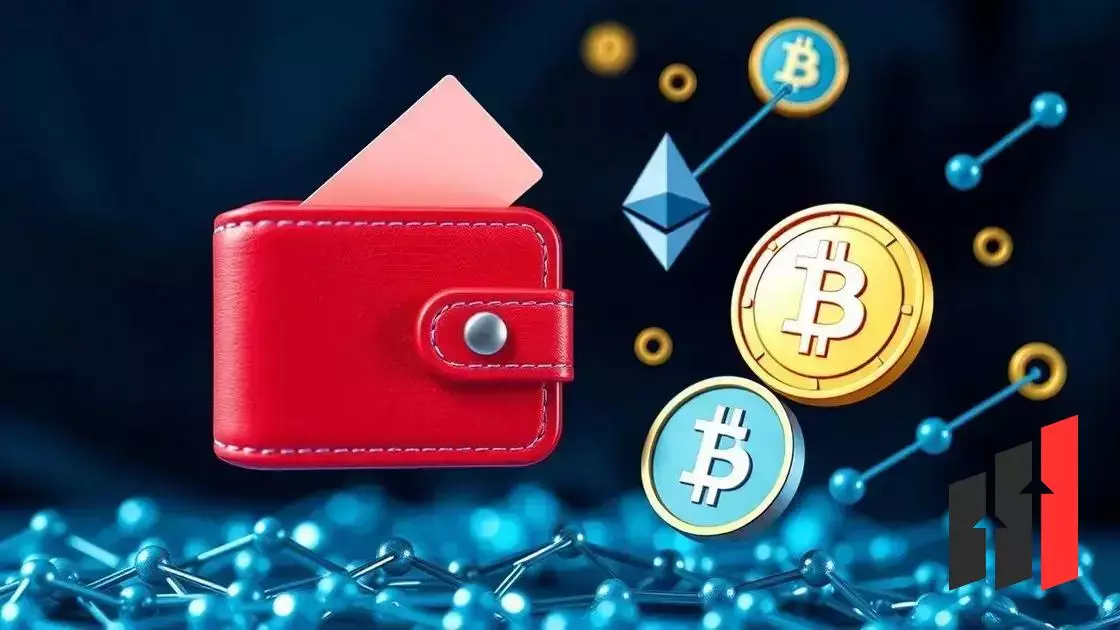
To navigate the world of cryptocurrency, it’s important to understand several key terms and concepts. These will help you make informed decisions as you explore digital currencies.
Blockchain
This is the foundation of cryptocurrency. A blockchain is a public ledger that records every transaction made with a cryptocurrency. It is secure and decentralized, meaning no single entity controls it.
Wallet
A wallet is a software or hardware tool that stores your cryptocurrency keys. These keys allow you to send and receive digital money securely. Wallets can be hot (connected to the internet) or cold (offline for more security).
Private and Public Keys
Your public key is like your bank account number, shared with others to receive funds. Your private key is a secret code that proves you own the funds and allows you to spend them. Never share your private key.
Mining
Mining is the process of validating cryptocurrency transactions and adding them to the blockchain. Miners use powerful computers to solve complex puzzles, earning new coins as rewards.
Altcoins
These are cryptocurrencies other than Bitcoin. Examples include Ethereum, Litecoin, and Ripple. Each has unique features and purposes within the crypto ecosystem.
how to buy and store cryptocurrency safely
Buying and storing cryptocurrency safely is essential to protect your investment. The process starts with choosing a reputable platform, such as well-known exchanges. These platforms allow you to buy cryptocurrencies using traditional money like dollars or euros.
Selecting a Trusted Exchange
Look for exchanges with strong security measures, user reviews, and easy-to-use interfaces. Popular options include Coinbase, Binance, and Kraken. Always enable two-factor authentication (2FA) to add extra protection to your account.
Creating a Secure Wallet
After purchasing, you should transfer your coins to a wallet rather than leaving them on the exchange. Wallets come in two main types: hot wallets (software connected to the internet) and cold wallets (offline devices like hardware wallets). Cold wallets offer stronger security against hacks but can be less convenient.
Keep Your Private Keys Safe
Your private keys are crucial to accessing your funds. Never share them with anyone, and consider writing them down and storing in a secure place. Losing your private keys means losing access to your cryptocurrency permanently.
Beware of Scams and Phishing
Always verify website URLs and avoid clicking on suspicious links or emails. Use official apps and websites for trading and wallets. Stay informed about common scam tactics to avoid falling victim.
common risks and how to avoid scams
Cryptocurrency investing comes with common risks that every beginner should be aware of to protect their money. One major risk is the high volatility of prices, which means values can rise or fall quickly. This can lead to significant gains or losses in a short time.
Recognizing Scam Types
Scams are widespread in the crypto world. Common types include fake Initial Coin Offerings (ICOs), phishing emails, and fake wallet apps. Scammers often promise unrealistic returns to lure victims. Always verify information and sources before investing.
How to Avoid Scams
Always use reputable exchanges and wallets. Enable security features like two-factor authentication. Never share your private keys or passwords. Be cautious of unsolicited messages or emails asking for personal information.
Stay Informed
Regularly update yourself with reliable news sources and community forums. Learning about new scam techniques helps you stay one step ahead. Remember, if an offer sounds too good to be true, it probably is.
tips for getting started and smart investing
Starting with cryptocurrency investing can feel overwhelming, but some key tips can help you make smart choices.
Start Small
Invest only what you can afford to lose. This lowers your risk while you’re still learning how the market works.
Do Your Research
Understanding the coins you want to buy is crucial. Learn about their purpose, technology, and team behind them before investing.
Diversify Your Portfolio
Don’t put all your money into one cryptocurrency. Spreading investments across several coins reduces overall risk.
Use Reliable Platforms
Choose reputable exchanges and wallets to buy and store your cryptocurrencies safely. Check reviews and security features.
Keep a Long-Term View
Cryptocurrency prices can be very volatile in the short term. Holding your investment for the long haul can help ride out the ups and downs.
Getting Started with Cryptocurrency
Investing in cryptocurrency takes patience and learning. By starting small and doing your homework, you can reduce risks and make smarter choices.
Diversifying and using reliable platforms further protects your investment. Remember, a long-term approach helps you handle market ups and downs.
Stay informed and cautious, and you’ll be better equipped to navigate the exciting world of cryptocurrencies with confidence.
FAQ – Frequently Asked Questions about Understanding Cryptocurrency for Beginners
What is cryptocurrency?
Cryptocurrency is a digital or virtual form of money that uses cryptography for security and operates on a decentralized blockchain.
How can I buy cryptocurrency safely?
You should use reputable exchanges, enable two-factor authentication, and transfer your coins to a secure wallet after purchase.
What is a cryptocurrency wallet?
A wallet stores your private and public keys, allowing you to send and receive cryptocurrencies securely. Wallets can be hot (online) or cold (offline).
How do I avoid cryptocurrency scams?
Use trusted platforms, never share your private keys, beware of unrealistic promises, and be cautious of phishing emails or fake websites.
What does it mean to diversify my investments?
Diversifying means spreading your investment across different cryptocurrencies to reduce risk and avoid losses from a single asset.
Is cryptocurrency investing risky?
Yes, prices are volatile and scams exist, so it’s important to invest only what you can afford to lose and stay informed.